
Key Takeaways
- Morning jaw soreness and tooth sensitivity may signal nighttime grinding.
- Custom night guards protect teeth but do not necessarily stop grinding.
- Dental evaluations help identify the cause and guide treatment for adults and children.
 A sore jaw first thing in the morning can make breakfast uncomfortable and leave you wondering what happened overnight. Teeth grinding or clenching, called bruxism, may be responsible. A dentist can check for tooth damage, examine the chewing muscles and jaw joints, and determine whether a custom dental night guard would help protect your teeth.
At Cynthia J. Mikula, DDS, we provide family dental care for patients in Bay Village, Westlake, Avon, and nearby communities. Mention recurring morning soreness during your visit, even if it fades before lunchtime. When discomfort starts, where you feel it, and how often it returns are useful clues.
Why Can Your Jaw Hurt After a Night’s Sleep?
Clenching holds the chewing muscles under tension. Grinding adds movement as opposing teeth press and slide against each other. Repeated activity overnight can leave your jaw feeling tired before you have eaten anything.
Stress can contribute, but it is not the only factor. Sleep disturbances, certain medications, caffeine, and alcohol may also be involved. For example, symptoms that begin after a medication change deserve a conversation with your dentist and prescribing clinician. Do not stop prescribed medication yourself. NIDCR explains the factors associated with bruxism.
The temporomandibular joints, or TMJs, connect your lower jaw to your skull. Grinding can strain the chewing system, but morning soreness does not automatically mean you have a joint disorder. A damaged tooth or another condition may produce similar discomfort.
What Damage Can Grinding Cause?
Repeated grinding can flatten biting surfaces, wear away enamel, and contribute to small cracks or micro-fractures. It can also damage fillings and other restorations. Because lost enamel does not grow back, identifying ongoing wear may help limit future repair needs.
The early clues can be easy to dismiss. A front tooth may look shorter, an edge may feel rough, or cold water may suddenly cause sensitivity. Sharp pain when biting needs particular attention. A guard cannot repair a cracked tooth, and covering the teeth should not replace investigating that pain.
Dentists interpret wear alongside symptoms and examination findings. Worn teeth alone do not prove that grinding is currently active. Comparing findings over time helps show whether damage is progressing.
How Does a Dentist Investigate Morning Jaw Pain?
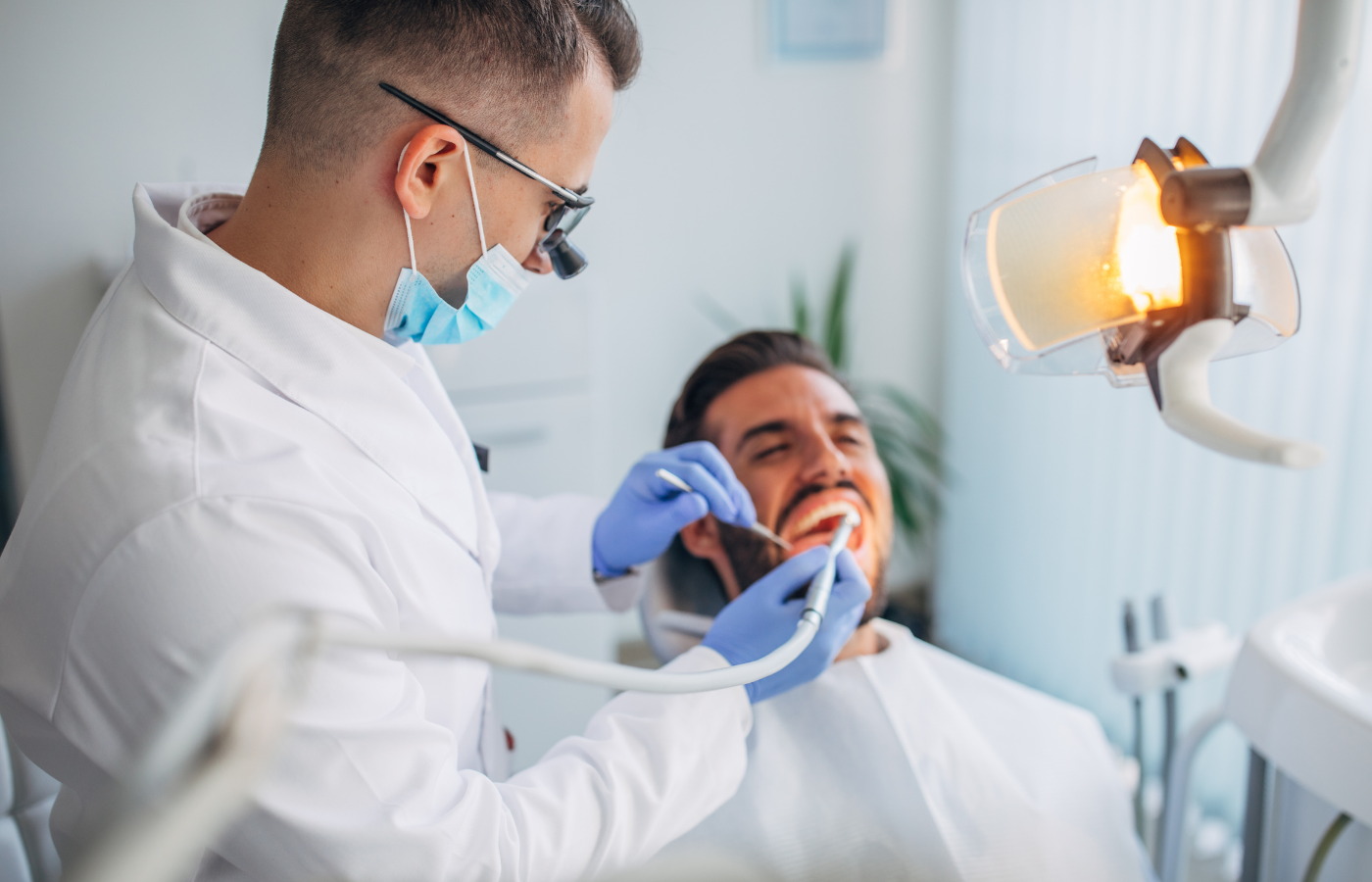 Your dentist asks when the discomfort occurs, whether it affects one or both sides, and what makes it better or worse. The examination checks teeth, restorations, muscle tenderness, and jaw movement. Imaging or additional testing depends on the findings.
Bring any night guard, retainer, or clear aligner you wear. Explain whether symptoms began before or after you started using it. For several days before your appointment, note morning soreness, headaches, daytime clenching, and interrupted sleep. A pattern is more useful than trying to remember everything in the dental chair.
Also mention loud snoring, gasping during sleep, or persistent daytime sleepiness. These symptoms may warrant medical or sleep evaluation. A grinding guard protects teeth; it does not replace assessment or treatment for sleep apnea.
Is a Custom Dental Night Guard Better Than a Store-Bought Guard?
What Does Professional Fitting Add?
A custom dental night guard is made from an impression or scan of your teeth. During fitting, the dentist checks that it seats securely and assesses how your opposing teeth contact its surface. Professional adjustment addresses more than whether the appliance feels snug.
Custom guards generally cost more upfront. Their advantages include individualized fit and the opportunity for follow-up adjustments. The American Dental Association’s guidance on grinding notes that retail guards may not offer the same fit or protection. Ask whether the quoted fee includes fitting adjustments and review visits.
Can an Over-the-Counter Guard Change Your Bite?
Store-bought guards are accessible and less expensive, but selecting one does not include a dental examination. A common mistake is buying increasingly thick or soft guards without checking whether grinding explains the discomfort.
It would be inaccurate to say generic guards routinely ruin bite alignment. The concern is whether an appliance fits appropriately, provides suitable coverage, or causes symptoms. Custom guards also require monitoring. Stop using an appliance that causes pain, and contact your dentist if your teeth meet differently after wearing it.
Do not repeatedly heat, trim, or reshape a guard to correct discomfort yourself. Bring it to your appointment so the dentist can assess the appliance and your mouth together.
Does a Night Guard Stop Grinding or Treat TMJ Pain?
A guard creates a protective barrier between teeth. It does not reliably eliminate grinding, so bruxism treatment may also involve recognizing daytime clenching, managing stress, reviewing medication concerns with a prescriber, or investigating sleep symptoms.
The term “TMJ night guard” can suggest a guaranteed remedy for jaw pain. However, NIDCR’s guidance on temporomandibular disorders notes limited evidence for splints relieving TMD pain and advises against appliances intended to permanently change the bite.
Before treatment, ask, “Are we protecting my teeth, trying to reduce pain, or both?” Those are separate goals. If you are searching for a TMJ dentist in Bay Village, ask how improvement will be assessed and when continuing symptoms would lead to a referral.
How Is Grinding Managed in Children and Teens?
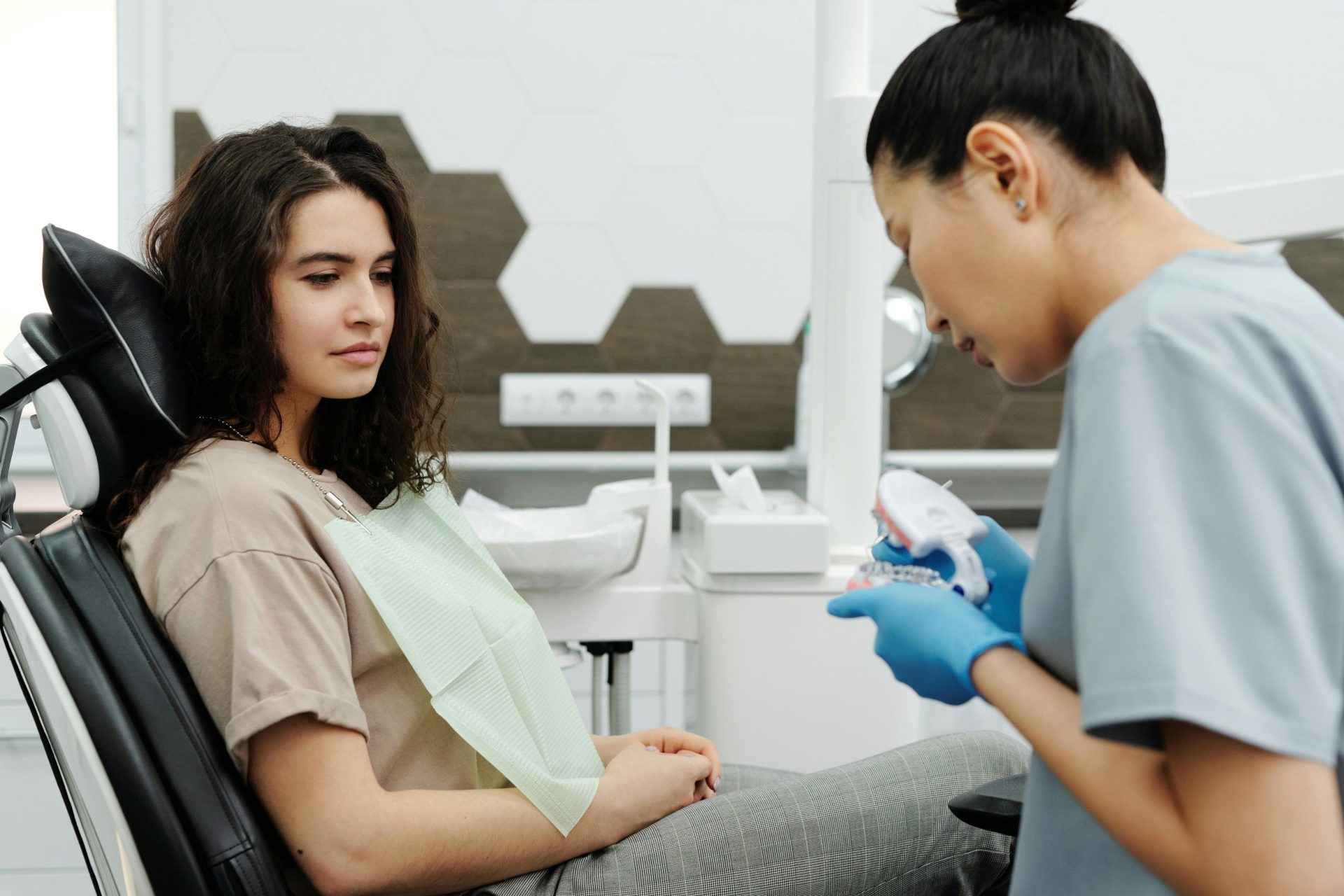 A family dentist can assess grinding concerns across generations, but each person needs an individual plan. An adult with damaged restorations and a teenager whose teeth are still erupting have different treatment considerations.
Many children outgrow grinding. Hearing it at night does not automatically mean a child needs a guard. Pain, concerning wear, and tooth damage help guide the decision. The American Academy of Pediatrics explains when childhood grinding may need attention.
If your teenager wears braces or clear aligners, consult the treating dental professional before adding an appliance. Growth and tooth movement can change its fit. Never share guards between family members or force an old guard over teeth that have shifted.
What Can You Do Between Dental Visits?
Notice whether you clench while driving, studying, or concentrating at work. When you catch it, release the tension and let your teeth rest apart. A phone reminder can help reveal a habit you rarely notice.
Avoid gum and hard foods while your jaw is sore. Keep a consistent sleep schedule and reduce excessive caffeine and alcohol. These steps may support care, but persistent symptoms still need evaluation. The NHS offers practical advice on managing teeth grinding.
Follow the cleaning and storage instructions for your appliance. Bring it to review visits and report cracks, changing fit, or new discomfort. Replacement should depend on its condition and your dental needs rather than an assumed expiration date.
Frequently Asked Questions
Will I Need a Guard Forever?
There is no universal schedule. Continued use depends on symptoms, tooth wear, fit, and examination findings. Ask when the need for protection will be reassessed.
Can I Sleep in a Sports Mouthguard?
Sports mouthguards cushion impacts and serve a different purpose. They may be bulky or unsuitable for overnight wear. Ask which appliance is appropriate for your needs.
When Should I Seek Prompt Dental Care?
Contact a dentist promptly for jaw locking, difficulty opening, worsening pain, or a suspected broken tooth. Clicking without pain is common and does not necessarily need treatment.
Ready to Address Your Morning Jaw Pain?
 Recurring soreness deserves an explanation before you spend more money trying different guards. An evaluation can identify tooth damage, assess jaw function, and help determine whether an appliance or another approach is appropriate.
Contact us today, or request an appointment at our Bay Village practice. Tell us about your morning symptoms and bring any appliance you currently wear. Schedule your family’s dental evaluation to understand the cause and choose a plan that protects your teeth and supports greater comfort.
Know someone who wakes up with jaw pain? Share this article on your social media using the link to help friends and family learn about teeth grinding and protective night guards.