
Key Takeaways
- A cracked or painful tooth may be saved with a filling, crown, or root canal.
- Extraction is usually considered when the tooth cannot be repaired predictably.
- Prompt dental care can prevent a crack or infection from becoming worse.
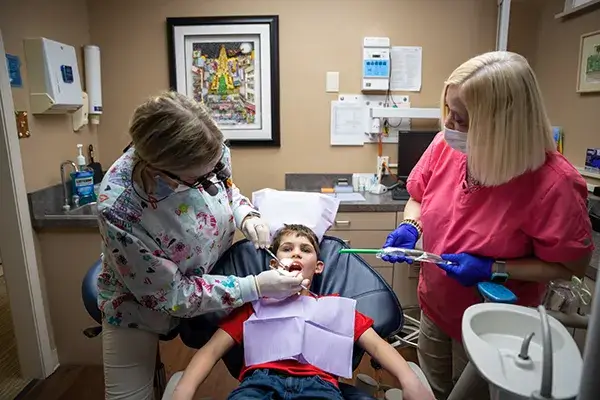 A cracked or severely painful tooth does not automatically need to be removed. A small fracture may only require a tooth-colored filling, while a weakened tooth may need a crown. If the tissue inside the tooth is inflamed or infected, a root canal may allow it to remain in place. The right cracked tooth repair depends on the depth of the damage, the condition of the root, and how much healthy structure remains.
Cynthia J. Mikula, DDS provides cracked tooth evaluations and emergency dental care in Bay Village, OH. We welcome patients from Westlake, Rocky River, Avon Lake, Fairview Park, North Olmsted, and nearby western Cleveland communities. During an evaluation, our team looks beyond the pain level to determine where the crack ends, whether infection is present, and how well each treatment option is likely to hold up over time.
What Can Your Symptoms Reveal About the Tooth?
Cracked tooth symptoms can be inconsistent. You might feel a sharp jolt while chewing a sandwich but have no discomfort a few minutes later. Another tooth may ache after a sip of cold water and continue hurting after the cold is gone.
Dentists pay attention to when the pain starts and how long it lasts. Brief cold sensitivity may come from exposed dentin, a worn filling, or a shallow fracture. Pain while biting or releasing pressure often suggests that part of the tooth is moving slightly along a crack.
Lingering sensitivity can mean the pulp, the soft tissue containing the tooth’s nerves and blood vessels, is inflamed. Spontaneous throbbing, swelling, a bad taste, or a bump on the gum may indicate infection. A visible line alone does not determine the severity because some surface lines affect only the enamel.
Do not keep biting on the tooth to test it. Repeated pressure can deepen a fracture that might otherwise have been repairable.
How Does a Dentist Find a Crack?
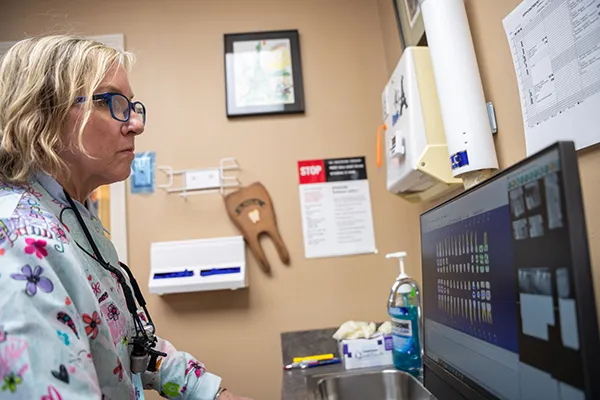 Dental X-rays help identify decay, infection, bone loss, and changes around the root. However, a narrow crack may not appear clearly on an X-ray. The physical examination and your description of the symptoms are just as important.
The dentist may test individual parts of the tooth with a small biting instrument. If one section hurts when pressure is applied or released, that finding helps narrow down the crack’s location. The tooth may also be tested with cold and compared with nearby teeth.
The gums provide another clue. A single deep pocket beside an otherwise healthy tooth can suggest that a fracture extends below the gumline. Magnification, focused lighting, or removal of an old restoration may be necessary to see the damaged area.
A complex case may require evaluation by an endodontist, a dentist who specializes in diagnosing tooth pain and treating the inside of teeth. A specialist’s opinion can be worthwhile when the difference between saving and removing the tooth is uncertain.
When Is a Filling an Appropriate Cracked Tooth Repair?
A filling may repair a small chip or fracture when the remaining tooth is strong. For example, if a corner breaks next to an old filling but the crack does not continue deeper, the dentist may remove the weakened material and rebuild the area.
A large filling is not always the right answer. It can replace missing material, but it may not stop separated sections of the tooth from flexing under chewing pressure. The filling could eventually fail or the crack could spread beneath it.
Ask whether the proposed filling will stabilize the tooth or simply close the visible defect. That distinction can help you avoid paying for a short-term repair when the tooth needs the protection of a crown.
When Does a Cracked Tooth Need a Crown?
A crown covers the visible portion of a tooth and holds weakened sections together. It is often considered when a crack affects one or more cusps, which are the raised areas used for chewing. You can also learn more about temporary and permanent dental crowns and how they are used to protect damaged teeth.
Before recommending a crown, the dentist evaluates whether enough healthy tooth remains to support it. The gums and bone must also provide adequate support. If the pulp is healthy, a crown may protect the tooth without treatment inside the root.
A crown cannot stop every fracture. If the crack travels deeply below the gumline or through the root, covering the tooth may only delay its loss. Your dentist should explain what was observed, how predictable the repair is, and what symptoms would require another evaluation.
When Is Root Canal Treatment Recommended?
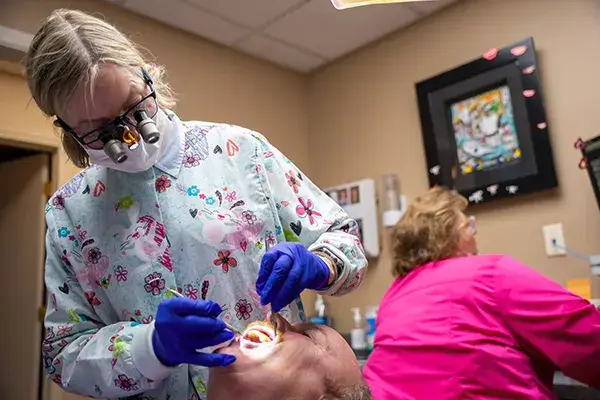 A root canal may be needed when a crack or deep cavity causes irreversible inflammation or infection inside the tooth. Signs can include lingering temperature sensitivity, spontaneous pain, severe biting discomfort, swelling, or a pimple-like area on the gum.
During treatment, the damaged pulp is removed. The internal spaces are cleaned, disinfected, and sealed. The tooth often receives a crown afterward because the remaining structure still needs protection from chewing forces.
Treatment preserves the natural root, but it does not erase the crack. Long-term success depends on the fracture’s location and the amount of stable tooth remaining. Completing the permanent restoration promptly matters because chewing on an unprotected tooth increases the risk of another fracture. Patients deciding between treatments can also read our guide comparing a root canal vs. tooth extraction.
Tooth Extraction Bay Village: When Is Removal Necessary?
A cracked tooth extraction may be recommended when a lasting repair is no longer realistic. Examples include a tooth that has split into separate sections, a fracture extending far down the root, or decay that leaves too little healthy structure to hold a crown.
Removal may also be appropriate when severe bone loss has weakened the tooth or an infection cannot be controlled while preserving it. After major trauma or during a spreading infection, a dental emergency extraction may provide the safest way to remove the source of the problem.
If extraction is recommended, ask the dentist to show you the findings and explain why repair is unlikely to succeed. You can also ask whether an endodontic opinion could change the treatment plan. These are reasonable questions, particularly for a tooth that affects chewing or supports an existing dental appliance.
What Tooth Replacement Options Are Available?
Extraction may have a lower initial price, but removing a tooth creates another decision. Leaving the space open can affect chewing and allow neighboring teeth to shift. The opposing tooth may also move gradually toward the empty area.
Common tooth replacement options include a dental implant, fixed bridge, and removable partial denture. An implant does not rely on neighboring teeth, but it involves surgery, adequate bone, and healing time. A bridge avoids implant surgery, although the teeth beside the space usually need to be prepared. A partial denture often costs less initially, but it must be removed for cleaning and may not feel as natural.
Compare the complete treatment plans rather than the prices of saving and removing the tooth alone. If you may want an implant, discuss bone preservation before extraction. Conditions at the site can affect the timing, complexity, and cost of future treatment.
What Should You Do While Waiting for Emergency Dental Care?
Avoid chewing on the painful side, even if the discomfort temporarily settles. Choose softer foods and avoid hard candy, ice, popcorn kernels, and sticky foods that place additional pressure on the tooth.
Brush gently to keep the area clean. Take over-the-counter pain medication only as directed and only when it is safe with your health conditions and current medications. Do not put aspirin against the tooth or gum because it can irritate the tissue.
Antibiotics cannot repair a crack or remove infected tissue from inside a tooth. They may be prescribed when an infection is spreading, but the tooth still requires treatment.
Seek urgent medical attention if dental pain is accompanied by difficulty breathing or swallowing, confusion, rapidly increasing facial swelling, or swelling extending toward the eye or neck.
Frequently Asked Questions
Can a painful cracked tooth be fixed without a root canal?
Yes, if the pulp remains healthy and the crack is limited to a repairable area. A filling or crown may be sufficient.
Can a cracked tooth heal by itself?
No. Symptoms may improve temporarily, but the fracture remains and may spread under repeated pressure.
Does every cracked tooth need a crown?
No. A minor chip may only need bonding or a filling. A crown is more likely when the tooth needs protection from flexing.
Is saving the tooth always better than extraction?
Not always. Preserving a restorable natural tooth is generally preferred, but removal may provide a safer and more predictable result when the root or supporting structures are severely damaged.
How quickly should severe tooth pain be evaluated?
Call a dentist as soon as possible, particularly when the pain is severe, persistent, or accompanied by swelling. Earlier treatment usually provides more opportunities to preserve the tooth.
Can Your Painful Tooth Still Be Saved?
 Many cracked teeth can be repaired, but the chance of success depends on how quickly the damage is evaluated and where the fracture ends. A careful examination can determine whether a filling, crown, root canal, or extraction offers the most dependable result.
If you have severe tooth pain or suspect a cracked tooth, call us to request an appointment in Bay Village, OH. We will identify the source of the pain, explain the findings clearly, and help you choose an appropriate treatment based on comfort, function, and long-term dental health.
Dealing with a cracked tooth or severe dental pain? Learn when a filling, crown, or root canal may save the tooth and when extraction may be necessary. Read the full article, then use the link to share it with friends and family on social media.