
Key Takeaways
- Clear aligners offer adults a discreet, removable alternative to traditional braces.
- Aligners work best for suitable cases when worn consistently and monitored by a dentist.
- Braces may provide better control for complex tooth movements or bite problems.
- Retainers and proper oral hygiene are essential for protecting long-term results.
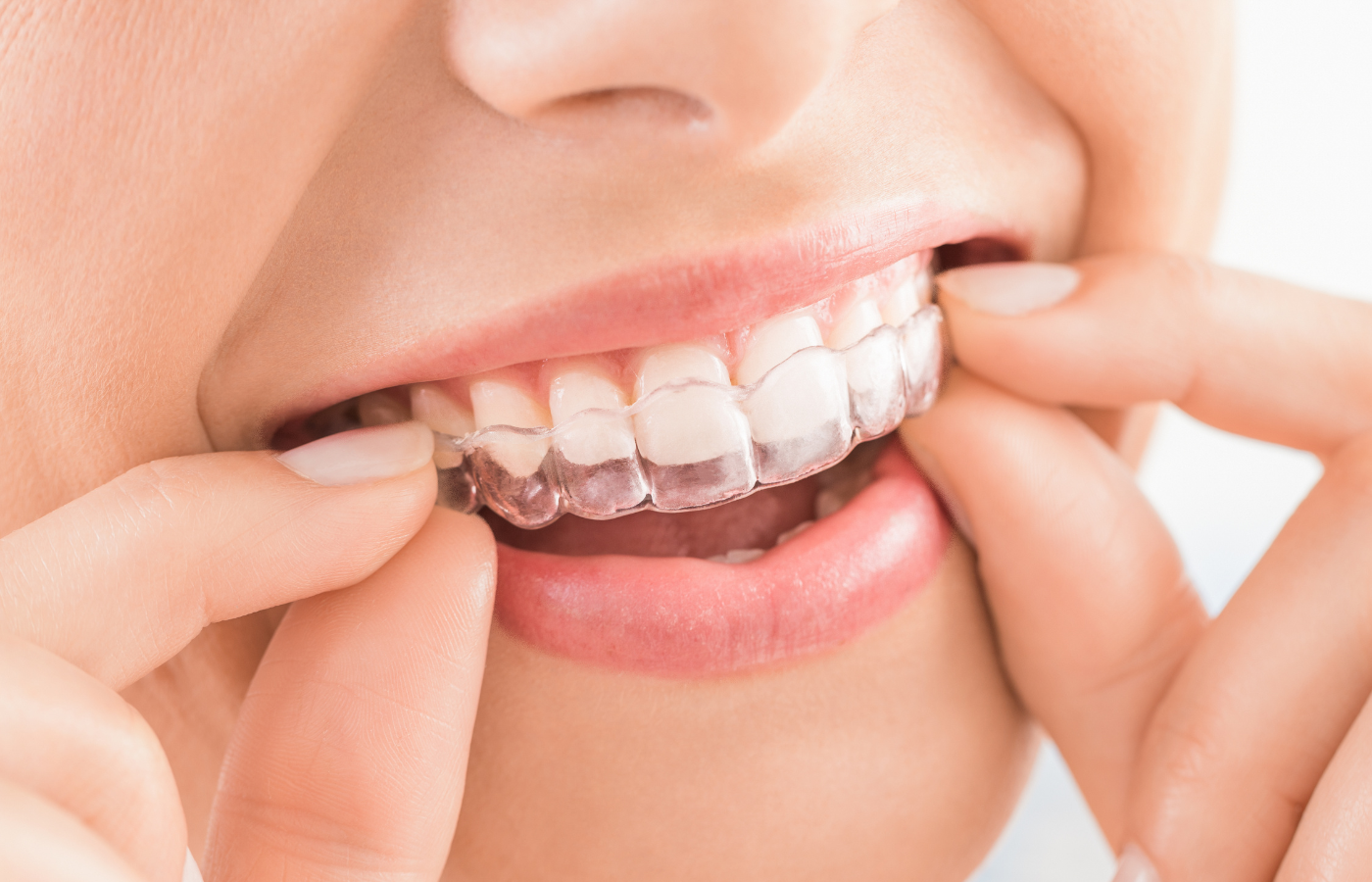 Many adults want straighter teeth but hesitate because they cannot picture themselves wearing metal brackets at work, during social events, or in family photographs. Clear aligners address that concern with transparent, removable trays that fit closely over the teeth. They are not completely invisible, but they attract far less attention than traditional braces.
At Cynthia J. Mikula, DDS, we help adults from Bay Village, Westlake, Rocky River, Avon Lake, and nearby communities compare their teeth-straightening options. Appearance is part of the decision, but so are your bite, gum health, existing dental work, daily habits, and treatment goals. The right choice is the one that can move your teeth predictably and that you can manage consistently.
Why Clear Aligners Appeal to Adults
Adults often have professional and social concerns that younger orthodontic patients do not. A person who meets clients, gives presentations, attends community events, or works closely with customers may feel uncomfortable wearing visible metal brackets. Some patients have delayed treatment for years because they are self-conscious about both their crooked teeth and the idea of braces.
Clear aligners provide a more discreet option. Most people will not notice the trays at a normal conversational distance. However, certain teeth may need small, tooth-colored attachments that give the trays extra grip. These attachments can be visible up close, especially on front teeth, so patients should see an example before treatment begins.
The trays can be removed for meals, brushing, and flossing. Patients do not have to avoid popcorn, nuts, hard bread, or other foods that could damage brackets and wires. That freedom has a tradeoff: the aligners only work when they are in the mouth. Remembering to replace them after lunch, coffee breaks, and evening meals is essential.
When Aligners May Be Better Than Braces
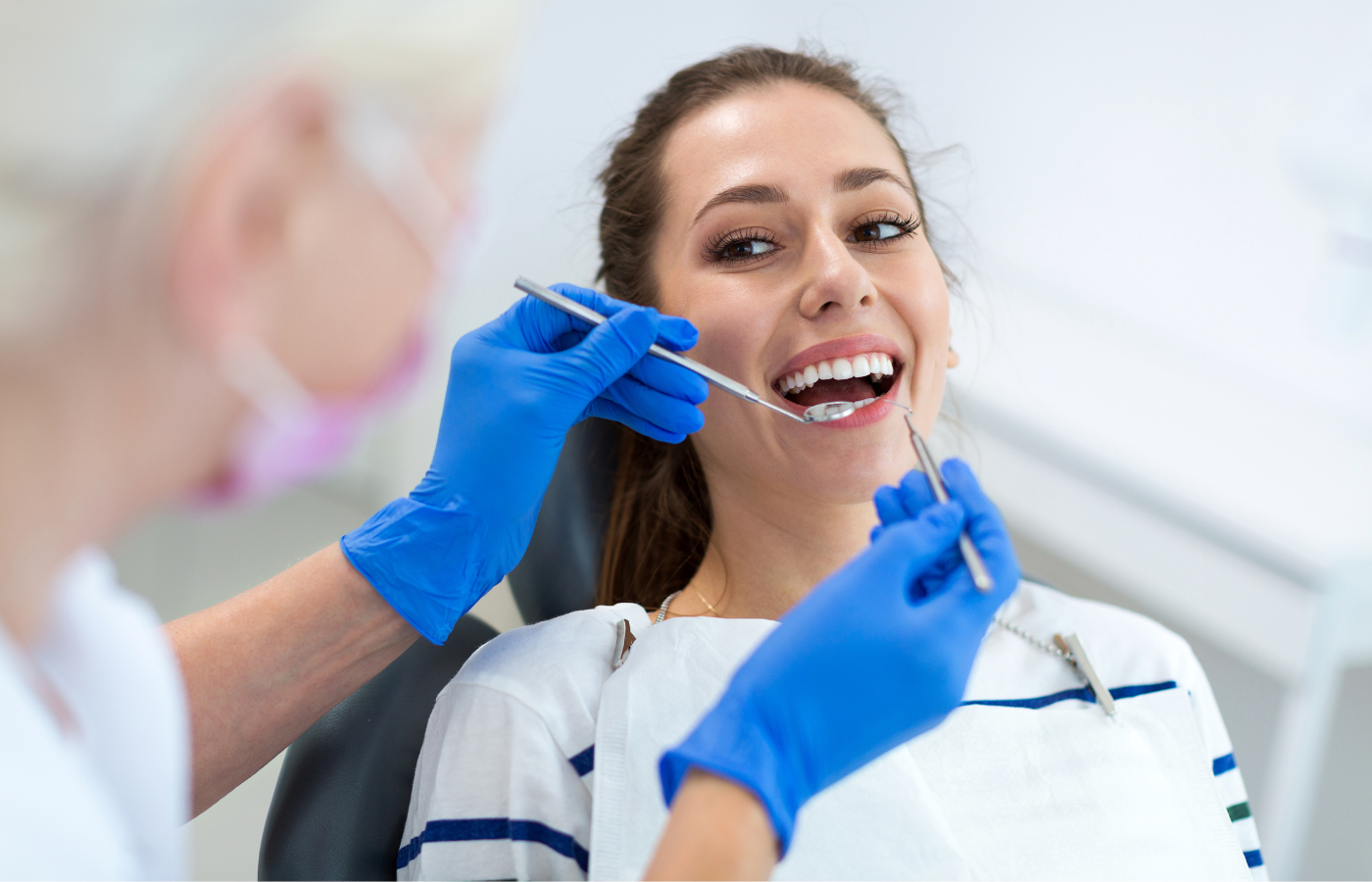 Clear aligners can treat many cases of mild to moderate crowding, unwanted spaces, and certain bite problems. They often suit adults who want less noticeable treatment, practice good oral hygiene, and can follow a prescribed wearing schedule.
Braces may provide better control when teeth need significant rotation, substantial vertical movement, or complicated bite correction. They may also be more practical for someone who frequently loses small items or expects to leave removable trays in a desk drawer. Fixed braces continue applying pressure because the patient cannot take them out.
An experienced Invisalign dentist should explain why one appliance is more appropriate than the other. A patient may arrive asking for invisible braces but discover that traditional braces can correct the bite more predictably. A sound recommendation considers the final result, not only how the appliance looks during treatment.
What Your Dentist Evaluates Before Treatment
Crooked teeth are not always an isolated cosmetic issue. Crowding can create tight spaces where plaque collects, while an uneven bite may cause one or two teeth to absorb more pressure than the others. Over time, those teeth can develop worn edges, small fractures, or sensitivity. The American Dental Association explains that orthodontic treatment can address crowding, crooked teeth, and abnormal bites.
Before recommending aligners, a dentist may use digital scans, photographs, X-rays, and a bite examination to evaluate the teeth, roots, gums, and supporting bone. Cavities and active gum disease generally need treatment first. Crowns, bridges, implants, missing teeth, and worn restorations must also be considered because they can affect which teeth may be moved.
Patients often focus on the one crooked tooth visible in photographs. A scan may show that the tooth moved because several neighboring teeth are crowded or because the upper and lower teeth do not meet correctly. Straightening only the visible tooth could improve its appearance without resolving the underlying problem.
What Wearing Clear Aligners Is Really Like
Treatment uses a sequence of custom trays, with each set making a small, planned movement. Mild pressure after changing trays is expected. Sharp pain, a tray that rocks instead of fitting securely, or a visible gap between the aligner and tooth should be reported. Advancing to the next tray early will not safely accelerate treatment and may cause the teeth to fall behind the plan.
One of the most common avoidable problems is a lost aligner. Trays wrapped in napkins are frequently discarded during restaurant meals or office lunches. Carry a ventilated case rather than placing aligners loose in a pocket, where they can collect debris or become damaged. Frequent travelers should ask whether they should pack their previous and next sets as backups.
Some adults notice a slight lisp during the first few days. It usually improves as the tongue adjusts. Reading aloud for ten minutes at home can help, particularly before an interview, presentation, or customer meeting.
Daily Wear Determines Whether Treatment Stays on Track
Clear aligners only move teeth while they are being worn. Leaving them out for long lunches, evening events, or several coffee breaks can interrupt the planned movement. When that happens, the next tray may feel unusually tight or fail to sit fully over the teeth.
Patients sometimes assume they can solve the problem by moving forward and wearing the next tray longer. Contact the dental office instead. Depending on how the teeth are tracking, the dentist may recommend staying in the current set, briefly returning to the previous one, or taking a new scan for refinement trays.
Consider your routine honestly before choosing aligners. Someone who grazes throughout the day, travels without a consistent schedule, or regularly misplaces glasses and keys may find fixed braces easier to manage. The least visible option is not automatically the most convenient one.
Protecting Teeth Under the Trays
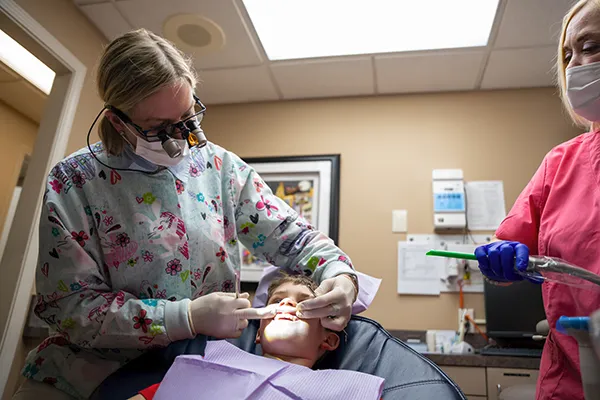 Removable aligners make brushing and flossing easier than fixed braces, but they can trap food residue against the enamel when replaced immediately after eating. Sweetened coffee, energy drinks, and frequent snacks are common problems. Covering the teeth with aligners before cleaning allows sugar and acid to remain in close contact with the enamel.
Brush before replacing the trays whenever practical. If you cannot brush after a meal, rinse your mouth and aligners thoroughly with water, then clean both as soon as possible. Do not use hot water because heat may distort the plastic and change how the trays fit.
Follow the cleaning method recommended by your dental team. Abrasive toothpaste can scratch aligners and make them appear cloudy. Routine dental examinations and professional cleanings should continue during treatment so early signs of decay or gum inflammation are not missed.
Plan for Retainers Before You Begin
Teeth naturally tend to shift after orthodontic movement. Retainers hold them in their corrected positions while the surrounding bone and tissues adjust. Without consistent retainer wear, spaces may reopen and crowding can gradually return.
Before accepting a treatment estimate, ask whether refinement trays and retainers are included. You should also know how often the retainer needs to be worn, what a replacement costs, and whom to call if it cracks or begins to feel loose.
Bring your retainer to routine dental appointments so its fit and condition can be checked. Retention is not an optional extra. It is the part of treatment that protects the time, effort, and money already invested.
Frequently Asked Questions About Clear Aligners
Am I Too Old for Invisalign?
There is no automatic upper age limit. Adults may receive orthodontic treatment when their teeth, gums, and supporting bone are healthy. Bone levels, previous dental work, and medical history should be reviewed before treatment begins.
Are Clear Aligners Completely Invisible?
No. The trays are transparent and discreet, but someone standing close may notice them. Tooth-colored attachments may also be visible. “Nearly invisible” or “less noticeable than braces” is a more realistic description.
How Long Does Treatment Take?
Treatment length depends on the amount and type of movement required. Closing a small space will not follow the same schedule as correcting crowding and a bite problem. Consistent wear and regular progress checks also influence whether treatment follows the original estimate.
Do Clear Aligners Cost Less Than Braces?
Not necessarily. Cost depends on case complexity, treatment length, the number of trays, and whether refinements and retainers are included. Ask for a written estimate that explains the entire fee rather than comparing advertised starting prices.
Can I Order Aligners Without Seeing a Dentist?
Tooth movement affects the roots, gums, bone, and bite, not only the visible portion of each tooth. An in-person examination may identify decay, gum disease, bone loss, or bite concerns that photographs and at-home impressions cannot show. Regular monitoring also allows tracking problems to be corrected before they delay treatment.
Find Out Which Option Fits Your Smile
 Concern about metal braces should not keep you from asking how crooked or crowded teeth can be corrected. Clear aligners give many Bay Village adults a discreet alternative, but good results still depend on an accurate diagnosis, realistic expectations, and consistent daily wear.
If you are looking for a cosmetic dentist near Bay Village, learn more about Invisalign treatment at Cynthia J. Mikula, DDS. We can examine your teeth, gums, existing dental work, and bite before explaining the benefits and limitations of each option. Call us now or request an appointment online to determine whether clear aligners fit your smile and routine.
Know someone considering clear aligners? Share this article using the link on Facebook, LinkedIn, X, or your favorite social platform to help them compare clear aligners and traditional braces.